

"Blue Lights" Season 4 Is Sticking the Landing
Oh, my friend, I see you
Want you to come through, all right
And they're standing in the shadows
Where the streetlights all turn blue...
I hear the lonely cry, why can't you?
"Bulbs" by Van Morrison
Is there any performer more rapturously elliptical than Van when he’s delivering in his unique way?
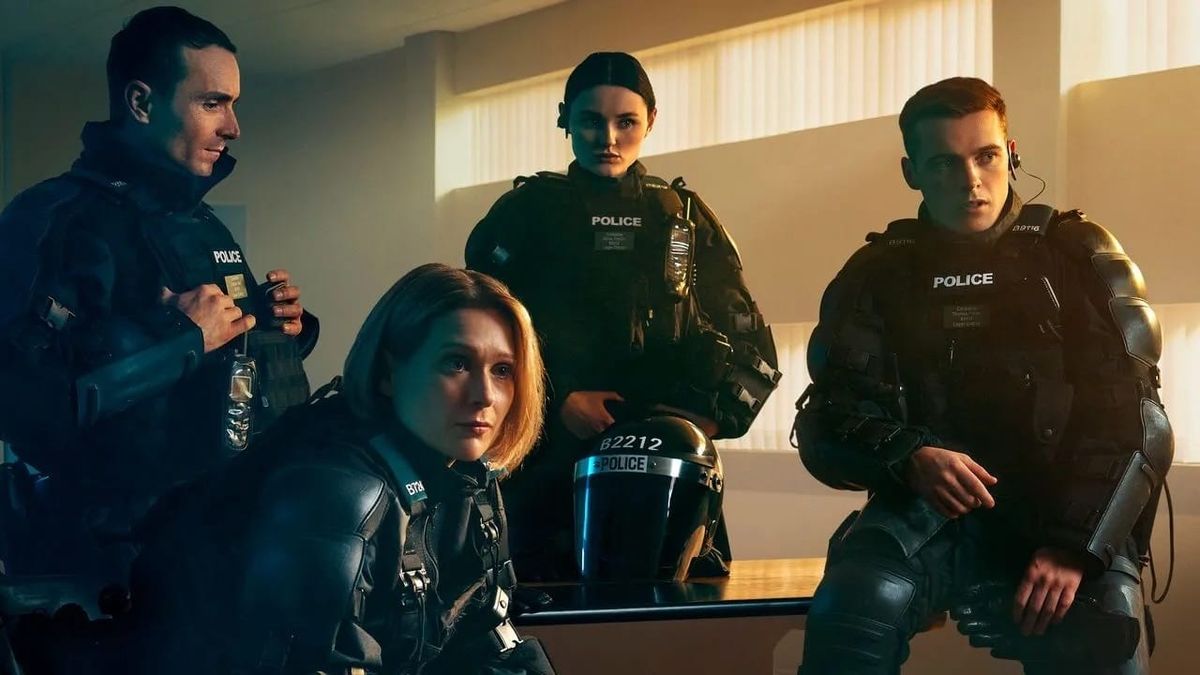
The above song works its own moody, disconsolate charm as it plays over the concluding scenes of the BritBox streaming series, “Blue Lights.”
Episode 3 from the series-closing Season 4 airs tonight (followed by the closing three episodes airing each Thursday through December 17.)
As the series’ show runners likely know via a fellow Northern Irishmen’s awareness, the legendary Van wrote “Bulbs” after a late-sixties woodshedding trip from his adoptive America to his homeland Ireland. He visited Dublin, to be precise, and avoided his former haunts to the north because the region was still noisome with the island’s sectarian Troubles.
It's album that stands tall over time, not so surprisingly Sinead O'Connor's lifetime favorite and the one she would play before going onstage herself.
E.g.: Witness the rarity that is Van performing “Bulbs” (with slight lyrics changes) on Musikladen in Bremen Germany in 1984, with slight changes in the lyrics:
https://www.youtube.com/watch?v=u22emZvtm5s
The song came out of a rootless time—or perhaps out of a grasping for half-forsaken youthful roots. He found inspiration in memories of his Irish childhood– a provenance that would not be lost on the “Blue Lights”music supervisor and show runners. (The blue lights of the song are not referencing the series' cop cars, but abide as a near-surreal glimmering of street lights, with their own mystical but transforming significance.
His marriage to wife Janet had recently broken up. That was her choice, it would seem. She's the girl we see astride a horse on the cover of 1971’s Tupelo Honey, and actually called Rigsbee by surname, though garlanded for a while with the too-easy add-on of `Planet'. She has recalled their time as a couple thus: “I would have done anything for the man who wrote those songs, who whispered in the night they were true. I wanted more than anything to make him happy. But I just couldn’t do it “
It's a mournful memory Morrison seems to try working out from his own perspective– "Screaming down the alley" is one line– n "Bulbs." But the song has enough subterfuge in its lyric underbelly to occupy its moment in the closing interactions of "Blue Lights" by adding voice to a happier alignment of several character arcs.
The marriage ceremony had been conducted in New York–in part, rumors said, to rescue Van from being deported– and he bonds broke apart (Janet has cited an unlivable degree of “rage” in the household) mostly in California’s’ Marin County. Perhaps visa problems swim in the mix in this telling line: “Her brothers and sisters are all on Atlantic sand.”
We''ll avoid spoilers in this post. Now is a delicate moment in the streaming show’s history, as it gallops through its final six episodes., and tonight brings Season 4’s third episode, “Everybody Knows.”
Below will come consideration of some landmark needle drops that delve into character arcs, but they come without without plot revelations. That said, rest assured your favorite characters will fulfill certain involving arcs with just enough future prospects and hard-earned wisdom to trigger fond reverberations for devoted viewers. (The question remains open as to whether we may see more on-screen life for said principals in possible spin-off’s or reboots with a new show-running team, is an open one.)
There will be plenty to say about the show’s setting once the finale has unspooled—a consideration of how the show took on themes of criminals entitled to duck arrest by serving a informants, of police officials forced into a dangerous if mostly secretive coddling by the needs of the overarching investigative services.
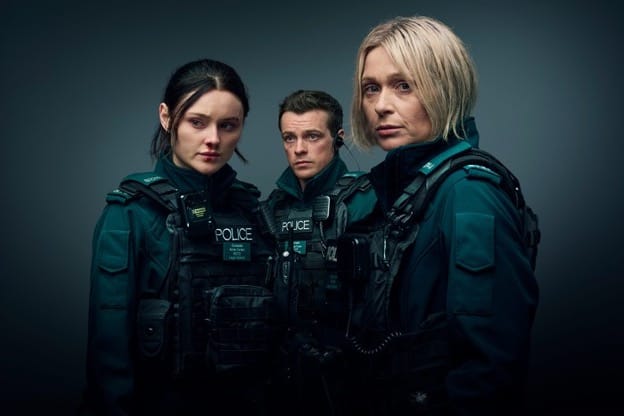
The realization that dawned on fans of the BBC series was the three three main police recruits we first met would become more fascinating as they grew up fast facing the street violence and paranoia of a Northern Irish universe where—as opposed to the kiss-kiss bang-bang among elite gangster in London-based “Mobland” –it’s all highly personal here, and the lethality of the environment somehow plunges us into an emotional roundelay that digs deep into each character’s fears and aspirations. Love matches occur, but they tend to be fraught. The familiar elements of televised police procedurals are shaken hard by the show’s awareness of what the locals endure—poverty drugs and trauma invade their lives, and the realization is kept with a certain humanity—“It’s a hard place to police--but it’s a hard place to be.”
In the end, says one notorious and wicked character, "You only need one thing tio be loyal to—you’ve just got to decide what that is.”
To address the ins and outs of this final season, it seems apt to revisit two earlier posts about the show on this blog, as linked just below:
- I'm So Bored With the Bourgeoisie (i.e., A Tout for "Blue Lights"): Published July 25, 2024, this earlier write-up introduces the first two seasons of Declan Lawn and Adam Patterson's BBC One/BritBox drama, focusing on how the rookie and veteran officers navigate loyalist drug schemes and post-Troubles tensions.
- "Blue Lights": Still A "Dirty Old Town": Published November 14, 2025, this piece reviews Season 3 of the series, highlighting returning officers Stevie (Martin McCann) and Grace (Siân Brooke), new antagonist Dana Morgan, and the show's use of Muireann Bradley's rendition of Ewan McColl's "Dirty Old Town".
There will be plenty to say about the much-lauded show’s setting once the finale has unspooled, time for a consideration of how the plot lines took on a key theme of criminals entitled to duck arrest by serving as informants, handled by of police and spy agency officials forced into such dangerous if mostly secretive coddling by the needs of the overarching investigative services (with surly MI5 agents taking the lead.)
One realization that dawned at once for fans of the BBC series was that the three main police recruits we meet in the opening episode would become more fascinating as they grew up--rapidly and often in jeopardy--amid the street violence and rampant paranoia of a gritty Northern Irish universe. It's an authentically detailed world where—as opposed to the Guy Ritchie-spawned, kiss- kiss bang- bang among elite gangsters in London-based “Mobland” on Paramount+–-the worries are tensely personalized as to who has your back--and who has your heart.
The show's strength is that the lethality of the streets somehow plunges us into an ever-changing set of scenarios that dig deep into each character’s fears and aspirations. Love matches occur, but they tend to be fraught. The familiar elements of televised police procedurals are lent unusual depth by the show’s awareness of what the locals endure—"poverty, drugs and trauma" as one cop sums it up, enforcing a sense of jeopardy that drives their shifts and invades their lives. The best among them operate with a certain awareness that, "It’s a hard place to police– but it’s a hard place to be.”
Squad-room politics and patrol car flirtations risk varied types of entrapment, and there's even greater internecine risk for those in the criminal alliances. In the end, says one notoriously wicked character, "You only need one thing to be loyal to—you’ve just decide what that is.”
Perhaps the best path to finding the logic of the soundtrack choices is to hew to the pattern of the above previous posts, to plumb how certain song choices enforce—or sometimes skip merrily away from—those depths. (After all, even a merciless shot-calling gangster confesses to someone whose life hangs in the balance, “I want away from all this too.”)
As happened during pop’s British invasion of the Sixties, it took the worship of music fans across the Atlantic to remind we Yanks of our own ongoing embrace of our native pop music that these faraway folks in stab vests love better.
A vibrant central character from the start is Gerry (Richard Dormer), an only- too-seasoned patrol officer who’s a hard-core street cop when that’s needed, but a riskily yielding humanitarian when a victimized parson touches his oversized heart.
A smart characterlogical choice is that Gerry, with his aged acoustic guitar and treasured playlist of Johnny Cash and Kris Krisofferson, carries the flag for what what we now call Americana. They squabble good-naturedly over tune selections, but the show’s principal players embrace each other's such restorative musical moments between japes and riots. And pastries, but some other time for that.
Melting Irish balladry gets a few spins, right alongside the locally-spawned garage-punk Bonnevilles.
Earlier seasons spurred our connection to Gerry’s favorites, as we heard transatlantic gems like Cash's “Always Alone” and “Just the Other Side of Nowhere,” Kristofferson's “Me and Bobby McGee,” “Sunday Morning Coming Down” and “Help Me Make It Through the Night." Without landing squarely on the nose, these spins summoned a certain loneliness that seems to haunt the uniformed personnel even as they become ad hoc heroes in street action but are left alone with their camouflaged vulnerabilities.
There's a widely shared decency I found years back in a visit to Belfast (Troubles and all.) Americans whio have grown inured to the rageful incompetence of ICE and homeland security thugs may be tempted to scoff at the show's portrayal idea of humane and resourceful policing. "Blue Lights" "peelers" face the gun, the knife, the bombs with a believable quotient of restraint, not the arrant thuggery of Trump's federal shock troops.
If one track embodies the underlying pain , it’s f Johnny Cash's cover of Trent Reznor's “Hurt” in Season 4, Episode 4. As foreboding as the track is, it dares us to doubt the a key romantic union the the show’s writers have made—we find the origin story of Gerry and wife Sandra , which may make for some golden moments at awards time and usefully tees up what we will find Gerry’s hidden policing-the-police legacy to be.
Chaka Khan’s “Ain't Nobody” is another American hit that plays into the same episode to good effect. Scoring well elsewhere in the playlist is Kristofferson’s Please Don't Tell Me How the Story Ends." as it reflects both the legacy (and woes) of Gerry's career, and underscores a key series incident as Gerry’s storyline calls up the most parlous dangers that can come from working one’s hunches.
Familiar elements of most televised police procedurals are re-examined through the show’s awareness of what the locals endure—poverty drugs and trauma invade their lives, and the realization is kept with a certain humanity—“It’s a hard place to police but it’s a hard place to be.”
In the end, says one notorious wicked charcter, you only need one thing to be loyal to—you’ve just got to decide what that is.”
Ccertain song choices enforce—or sometimes skip merrily away from—such depths, where a top shot-calilng gangster confesses to someone whose life hangs in the balance, “I want away from all this too.”
If one track embodies the underlying pain it’s Cash’s cover of Johnny Cash's “Hurt” in Season 4, Episode 4. As foreboding as the track is (and take a side venture to the Lucinda Willams cover for more of that), we watch it play underneath one of the bolder time-shifting the show’s writers have made—we find the origin story of Gerry and wife Sandra , which may make for some folden moments at awards time (the show often scores well in the BAFTA voting) and usefully tees up what we will find Gerry’s hidden policing legacy to be.
Chaka Khan’s “Ain't Nobody” American hit plays into the same episode to good (but let’s save thaty for your viewing) effect.Suffithat ce it to say Kristofferson’s Please Don't Tell Me How the Story Ends” reflects both the legacy (and worst) of Gerry, and a reflective moment as to how Gerry’s storyline calls up the most parlous uncertainties of working one’s hunches.
When the brutal, long-buried truths underlying he action of Episode 3 ("Everybody Knows”) , we hear Arborist cover the Leonard Cohen lament, as Sandra confronts a loathed foe. The song is about infidelities, the caste system, and deceit, but it widens and deepens in impact as Sandra stares down two of the criminal underworld’s most predatory denizens.
An anthem of regret that was a number one country single in 1975 for Waylon Jennings, "Are You sure Hank Done It This Way?" had encoded the revelations come as as Gerry went about a morning's prep for the day. Jennings' song questioned Nashville convention old and new; its appearance here is an intriguing choice for a story concerned with the burden of the past: "Tehyears on the road/Makin' one-night stands/Speeding my young life away..."
If one track embodies the underlying, painful truths driving the action of the episode “Everybody Knows” , it's the song by the same name, as Arborist covers Leonard Cohen. The Cohen song is about infidelities, caste, and deceit, all evoked as Sandra stares down two of the criminal underworld’s most predatory denizens.
So where, indeed do we fans of “Blue Lights” find ourselves as the following awaits word as to a possible continuation (or given the vivid identities crafted by the cast) a spin-off. Lawn and Patterson are already embarked on a new series, "D-Notice," which promises a deep probe ginned up via their vaunted investigative chops.
The overall tone of the fourth season is elegiac, with relationships facing fracture, but new possibilities fighting their was through regrets and still-healing wounds. Moments of resolution abound, but they are well-earned, plainspoken, and quietly nuanced. “So you lost everything,” says one woman to Annie (who’s sought to rescue her from the brink of death and forlorn exhaustion, “And now youre trying to assure that I get something."
That's as good a summary of the humanity underlying this series, and its dramatis personae, as we're likely to find.
#
Comments ()